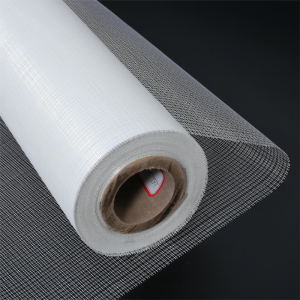
Fiberglass mesh fabric Laid Scrim for manufacturing wind turbine blade
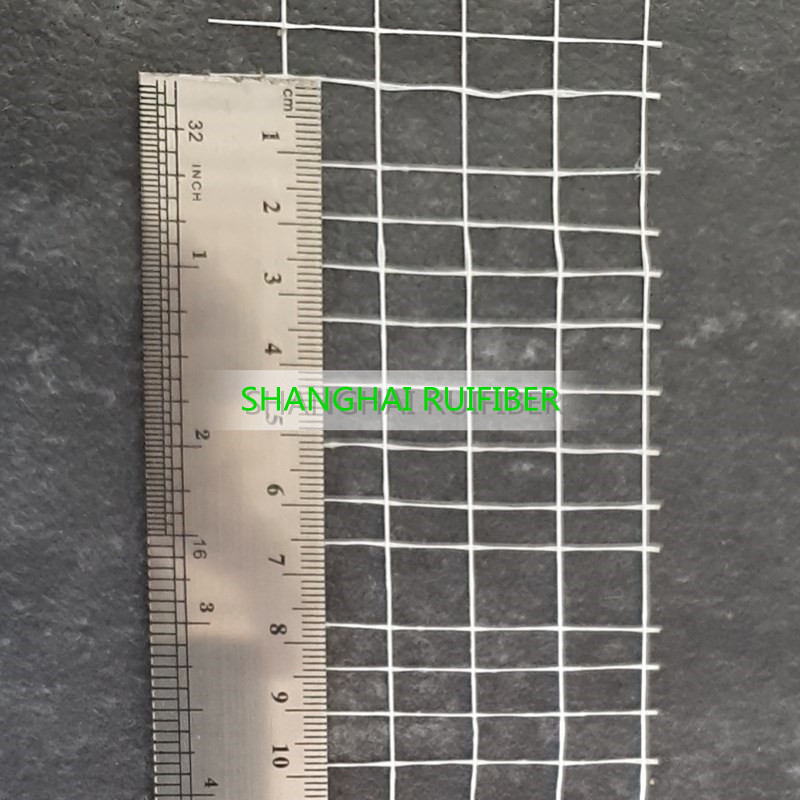


Fiberglass Laid Scrims Brief Introduction
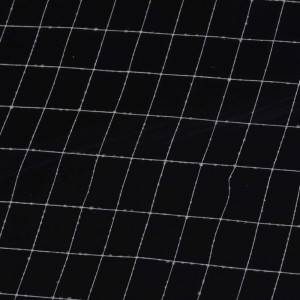
This product is a Fiberglass Laid Scrim positioned for wind turbine blade composite manufacturing — used as a light, dimensionally stable reinforcement skeleton within epoxy/vinyl ester laminates and sandwich structures (core + skin). It is made from continuous E-glass filament yarns laid flat in an open-mesh pattern and chemically bonded at the nodes (PVOH / PVC / Acrylic or customized). Unlike woven roving or heavy bi-axial fabrics, the laid scrim keeps fibers straight and low-crimp, adding multi-directional tensile support at only 6.2–15.2 g/m² (depending on mesh). For wind blades that are 40–100 m long and built on multi-hour infusion or prepreg cycles, the scrim serves as a surface-stabilizing or interleaf layer that helps control local wrinkling, resists handling distortion during layup, and complements the primary UD/carbon reinforcement without adding meaningful weight.
Gadtex (Xuzhou Gadtex / Shanghai Gadtex) has been producing laid scrim since 2018 and supplies ~50 item variants; this blade-grade builds on the same platform as their PVC flooring and aluminum foil scrims, but the long roll length (up to 50,000 m) and width up to 2,500 mm are what matter most to blade manufacterers running continuous lamination or large-format hand/automated layup.
Fiberglass Laid Scrims Characteristics
Superior Material Properties: The scrim possesses a comprehensive set of beneficial characteristics, including high tenacity, excellent dimensional stability, flexibility, low shrinkage, low elongation, alkali resistance, fire resistance, and corrosion resistance — all critical for the long-service, outdoor environment of wind blades.
High Strength & Light Weight: It delivers substantial reinforcement while being lightweight. Common specifications like CF12.5×12.5PH weigh approximately 6.2–6.6 g/m², CF10×10PH is about 8–9 g/m², and CF5×5PH is about 15.2 g/m². This high strength-to-weight ratio allows it to enhance blade skin stability and interlayer shear transfer with minimal added mass.
Wide Material & Customization Options: Available in various yarn types (Glass, Polyester, Carbon, Kevlar, Nomex, etc.), mesh constructions (Square, tri-directional), patterns (0.8–3 yarns/cm), and bonding agents (PVOH, PVC, Acrylic, customized). The long roll format (up to 50,000 m) supports efficient, continuous blade layup or lamination processes.
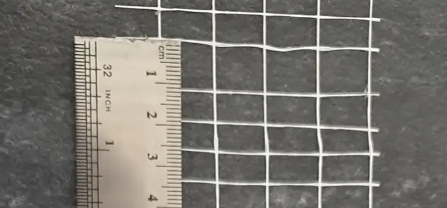
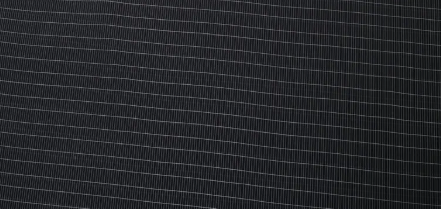
Fiberglass Laid Scrims Data Sheet
|
Item No. |
CF12.5*12.5PH |
CF10*10PH |
CF6.25*6.25PH |
CF5*5PH |
|
Mesh Size |
12.5 x 12.5mm |
10 x 10mm |
6.25 x 6.25mm |
5 x 5mm |
|
Weight (g/m2) |
6.2-6.6g/m2 |
8-9g/m2 |
12-13.2g/m2 |
15.2-15.2g/m2 |
The regular supply of non-woven reinforcement and laminated scrim is 12.5x12.5mm,10x10mm,6.25x6.25mm, 5x5mm,12.5x6.25mm etc. The regular supply grams are 6.5g, 8g, 13g, 15.5g, etc.With high strength and light weight, it can be fully bonded with almost any material and each roll length can be 10,000 meters.
Fiberglass Laid Scrims Application
Primary Use: Reinforcement for Wind Turbine Blade Composites
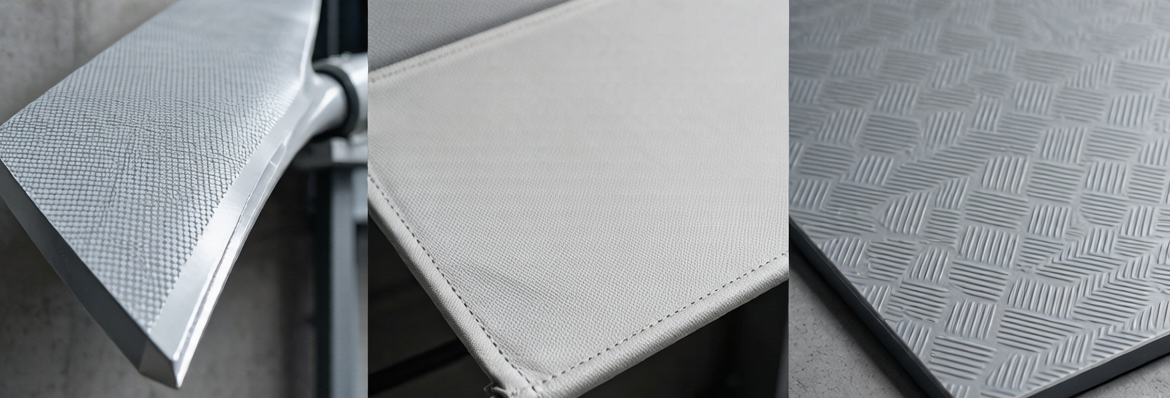
The core application of this fiberglass laid scrim is as a lightweight stabilizing layer within the blade's composite stack — between gel coat/surface veil and primary UD/carbon reinforcement, or as an interleaf in sandwich construction with PVC/PET/balsa core. It is laminated into the blade structure to:
Control Surface Wrinkling & Resin-Rich Areas
PVC Flooring is mainly made of PVC,also other necessary chemical material during manufacture. It is produced by calendering,extrusion progress or other manufacture progress, it is devided into PVC Sheet Floor and PVC Roller Floor. Now all major domestic and foreign manufactures are applying it as the reinforcement layer to avoiding the joint or bulge between pieces, which is caused by the heat expansion and contraction of materials.
Stabilize Sandwich Skins & Core Contact
Adds a low-GSM "anchor" layer that improves shear transfer between foam/balsa core and GFRP skins without adding meaningful weight — critical for trailing-edge closure and web-flange transitions.
Reduce Layup Distortion & Handling Damage
The scrim's tear resistance and dimensional stability help dry or B-stage layups hold shape during positioning, vacuum bagging, and transport within the mold, reducing scrap and rework.
Secondary Applications
Due to its versatile reinforcement properties and open mesh design, this fiberglass laid scrim is also extensively applied in numerous other industrial sectors:
Aluminum Foil Composite
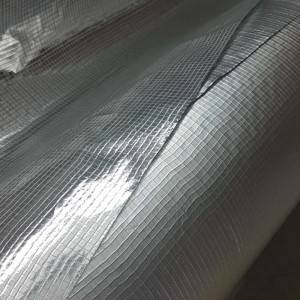
Used as a reinforcement layer in insulation and building wrap composites, improving production efficiency and finished product appearance.
PVC Flooring
Serves as a critical stabilizing layer to counteract the thermal expansion and contraction of flooring materials, preventing joint separation or bulging.
Reinforcement for Various Non-Wovens
Applied to materials like fiberglass tissue, polyester mats, and wipes to increase tensile strength with minimal weight addition.