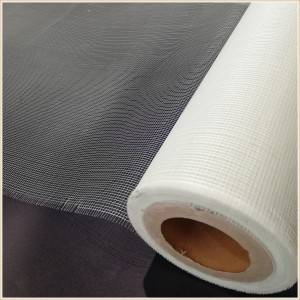
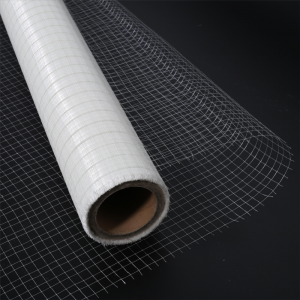
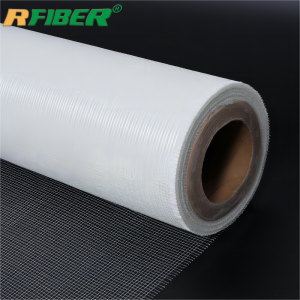
Non-woven laid scrims for Automotive Door Linings
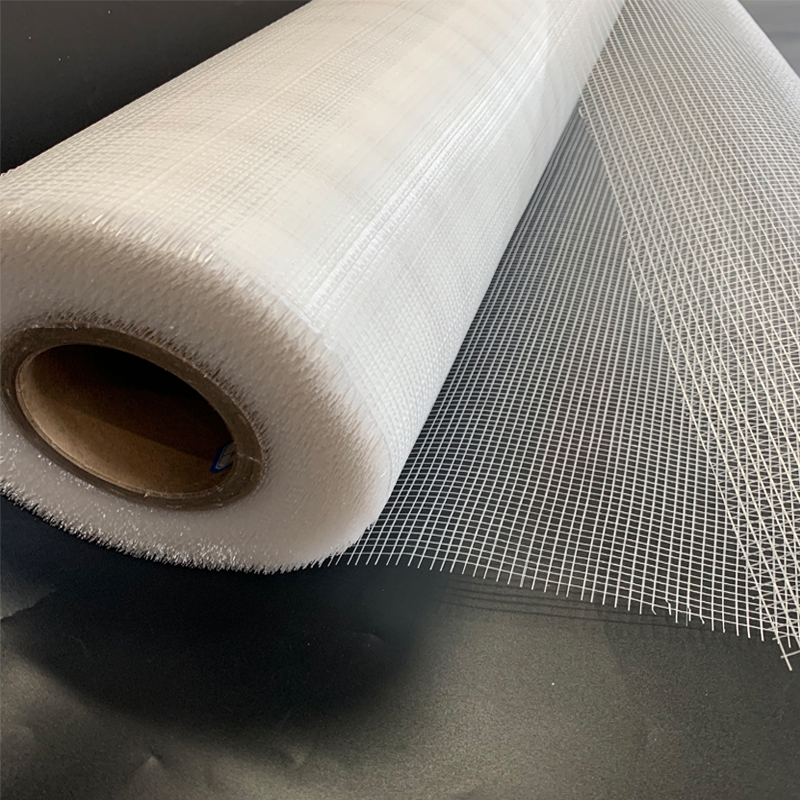
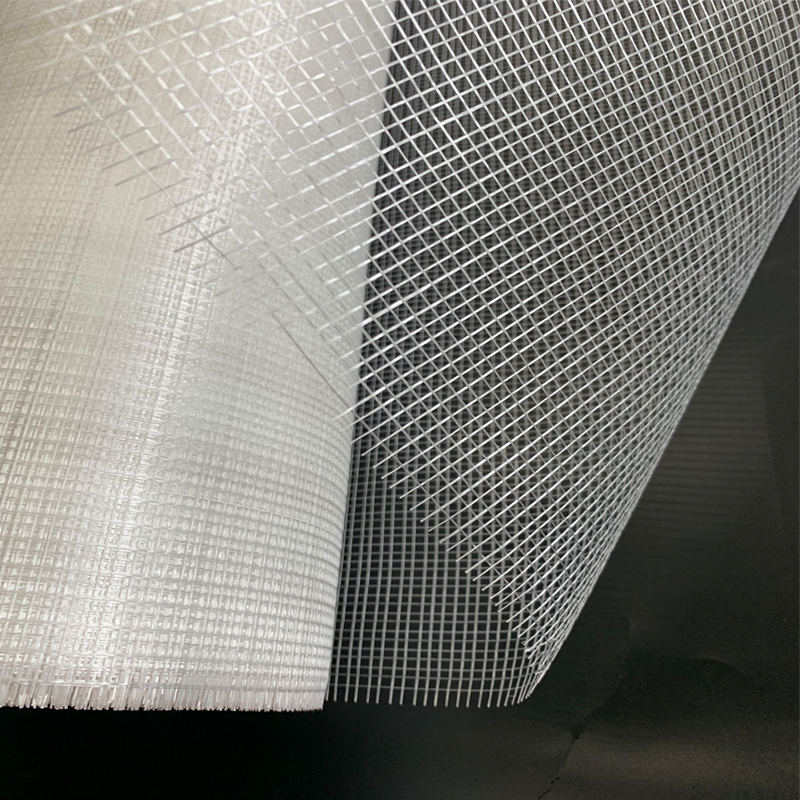
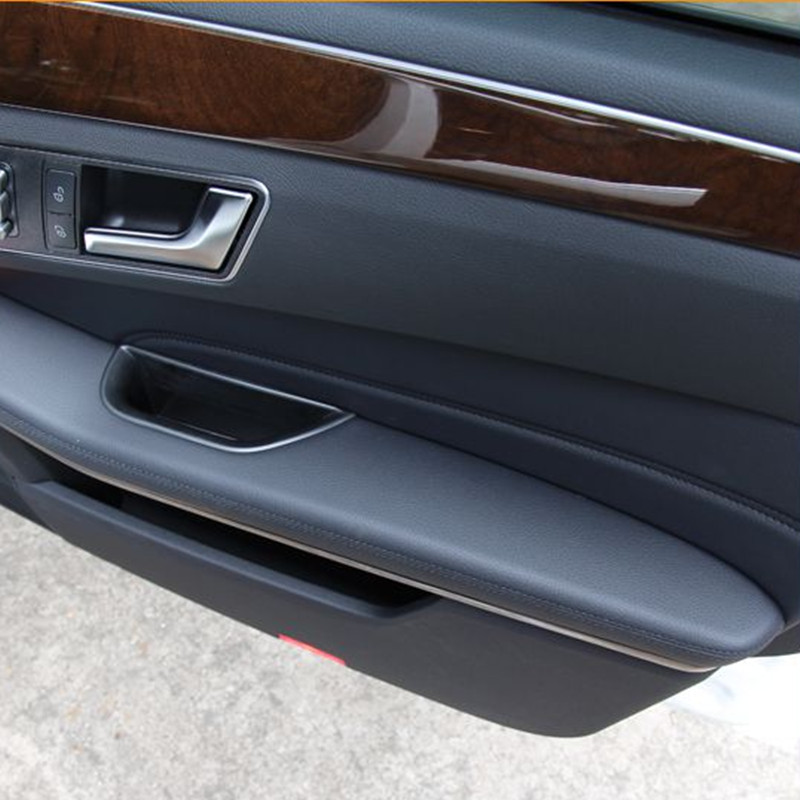

Non-woven laid scrims Brief Introduction
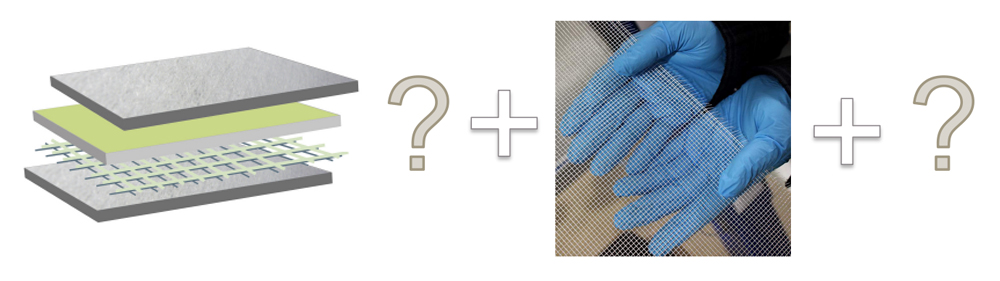
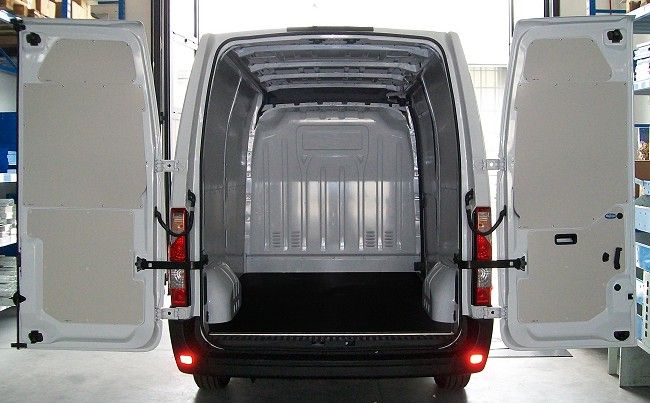
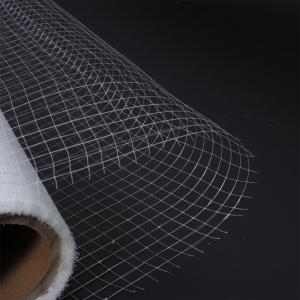
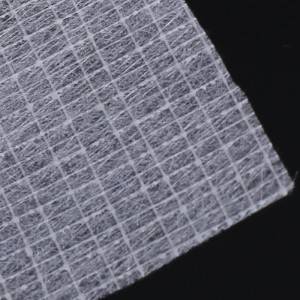
Developed for lamination into automotive door-panel composites, this laid scrim sits within the site's Automotive category alongside seat cushions, rear shelves, headliners, undershields, outer wheel-arch liners, foams punched parts, and engine casing/sound deadening. It functions as the hidden tensile grid laminated into or between the PP/PET non-woven substrate, foam backing, and decorative skin that form the door-liner sandwich. Manufactured by chemically bonding continuous filament yarns (glass, polyester, carbon, cotton, flax, jute, viscose, Kevlar, Nomex among the options) into a flat-laid open mesh (square or tri-directional), with binder choices (PVOH, PVC, Acrylic, or customized) to match the door-panel calender, lamination, and thermoforming processes. The chemically bonded construction delivers lightweight, high strength, low shrinkage/low elongation, and corrosion resistance, enabling the door liner to survive assembly-screw torque, armrest pull loads, side-impact buffering, and cabin temperature/humidity cycles without adding unnecessary weight.
Non-woven laid scrims Characteristics
Automotive Door-Lining Grade Property Profile: Dimensional stability, tensile strength, alkali resistance, tear resistance, fire resistance, anti-microbial properties, water resistance — the scrim's low elongation prevents the PP/PET non-woven + foam sandwich from creeping or wrinkling under screw torque (handle/armrest/pull-cup mounts) and side-impact buffering, while multi-directional tensile arrests tear initiation at clip points, speaker cutouts, and map-pocket corners. Cabin-level fire-resistance and anti-microbial/water-resistant properties align with automotive interior specs.
Long Rolls for Door-Liner Lines: Roll width 200–2,500 mm; roll length up to 50,000 m. Fewer splices per shift on high-speed laminating, calender, and thermoforming lines feeding tier-1 interior mills — fewer weak spots in finished door-liner rolls, more consistent batch appearance across door, headliner, and rear-shelf programs.
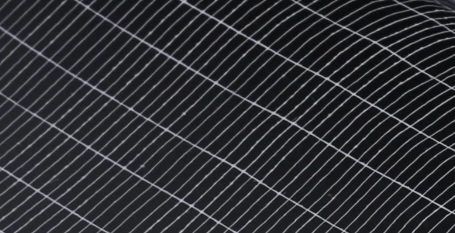
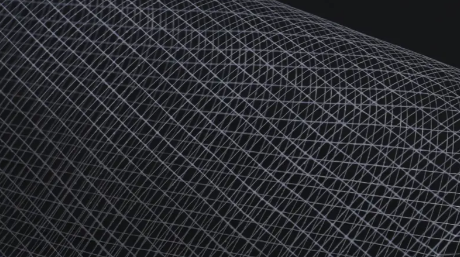
Non-woven laid scrims Data Sheet
|
Item No. |
CF12.5*12.5PH |
CF10*10PH |
CF6.25*6.25PH |
CF5*5PH |
|
Mesh Size |
12.5 x 12.5mm |
10 x 10mm |
6.25 x 6.25mm |
5 x 5mm |
|
Weight (g/m2) |
6.2-6.6g/m2 |
8-9g/m2 |
12-13.2g/m2 |
15.2-15.2g/m2 |
The regular supply of non-woven reinforcement and laminated scrim is 12.5x12.5mm,10x10mm,6.25x6.25mm, 5x5mm,12.5x6.25mm etc. The regular supply grams are 6.5g, 8g, 13g, 15.5g, etc.With high strength and light weight, it can be fully bonded with almost any material and each roll length can be 10,000 meters.
Non-woven laid scrims Application
Primary Use: Reinforcement for Automotive Door-Liner Sandwiches
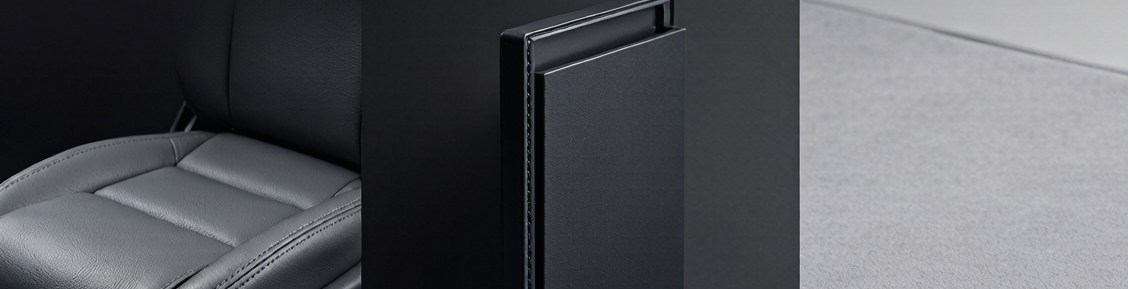
The core application of this automotive-grade laid scrim is as the hidden tensile grid laminated into the PP/PET non-woven + foam + skin sandwich that forms the door lining — and by extension the same Automotive platform also covers seat cushions, rear shelves, headliners, undershields, outer wheel-arch liners, foams punched parts, engine casing and sound deadening. It is laminated into the door-liner stack to:
Absorb Assembly & In-Service Loads
Door liners see screw torque at handle/armrest/pull-cup mounts, clip pull at map pockets, and side-impact energy during collisions. The scrim's multi-directional tensile reinforces the non-woven–foam interface so delamination and tear don't start at mount points and cutouts, keeping the panel intact through certification crash pulses.
Preserve Interior Dimensional Stability
The scrim's low elongation keeps the non-woven + foam sandwich flat through thermoforming, trimming, and clip-install cycles, preventing panel warp that would cause gap-line issues on the assembled door — a visible-quality pain point for OEM interiors.
Enable High-Efficiency Laminating Across the Automotive Interior Program
50,000 m roll length feeds high-speed laminating, calender, and thermoforming lines with fewer splice stops — higher yield per shift, more consistent batch appearance across door, headliner, rear-shelf, and seat-cushion lines.
Secondary Applications
a) Aluminum Foil Composite
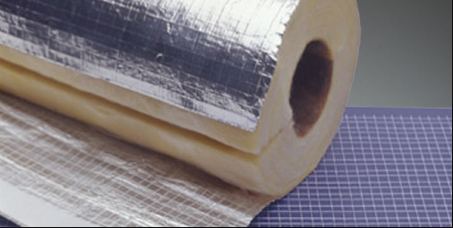
Nove-woven laid scrim is widely applied in aluminium foil industry. It can help manufacture to develop the production efficiency as the roll length can reach 10000m. It also makes the finished product with better apperance.
b) PVC Flooring
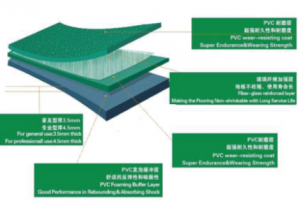
PVC Flooring is mainly made of PVC,also other necessary chemical material during manufacture. It is produced by calendering,extrusion progress or other manufacture progress, it is devided into PVC Sheet Floor and PVC Roller Floor. Now all major domestic and foreign manufactures are applying it as the reinforcement layer to avoiding the joint or bulge between pieces, which is caused by the heat expansion and contraction of materials.
c) None-woven category products reinforced
None-woven laid scrim is widely used as reinforced materail on kinds none-woven fabric, such as fiberglass tissue, polyester mat, wipes, also some top ends, such as medical paper. It can makes none-woven products with higher tensile strength,while just add very little unit weight.
d) PVC Tarpaulin
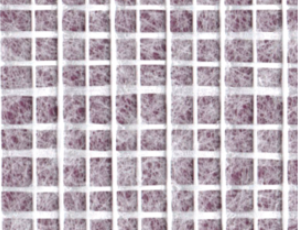
Laid scrim can be used as basic materials to produce truck cover,light awning, banner, sail cloth etc.


The First and Biggest manufacturer and supplier of laid scrims in china!
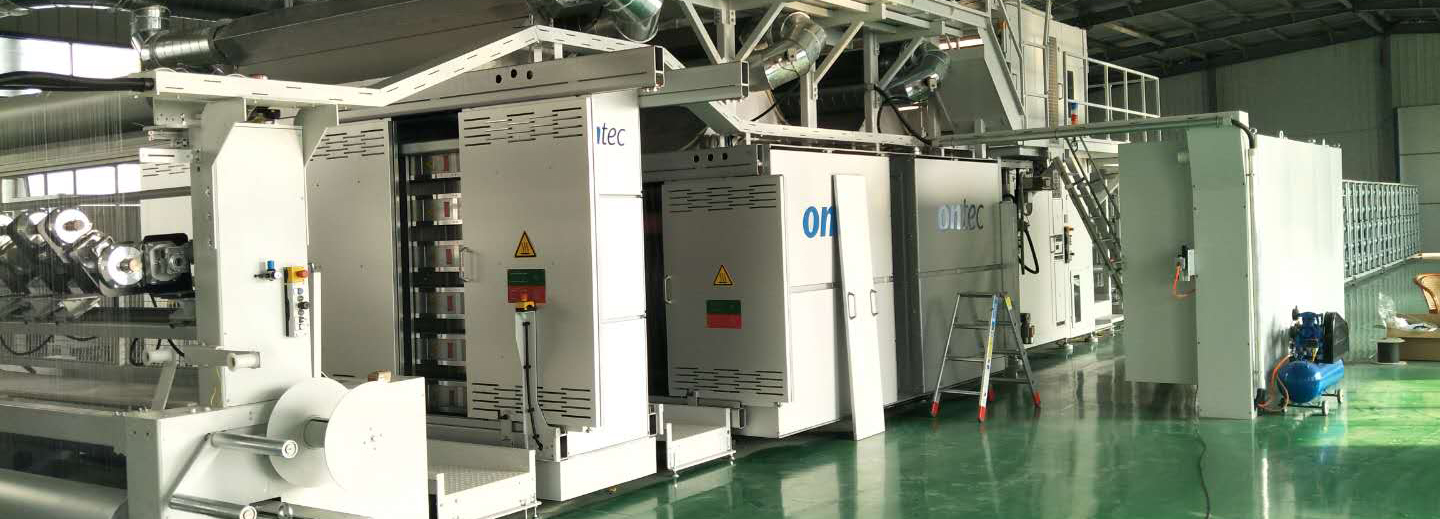
Due to lightweight, high strength, low shrinkage/elongation, corrosion preventive, laid scrims offers tremendous value compared to conventional material concepts. And it's easily to laminate with many kinds of materials, this makes it has an extensive fields of applications.