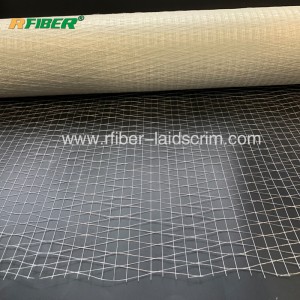
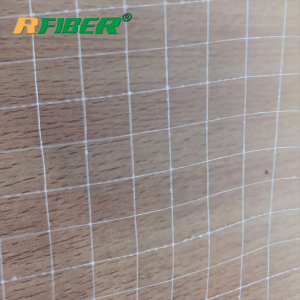
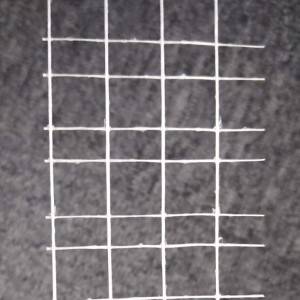
Triaxial net fabric Laid Scrims for reinforced paper bag window
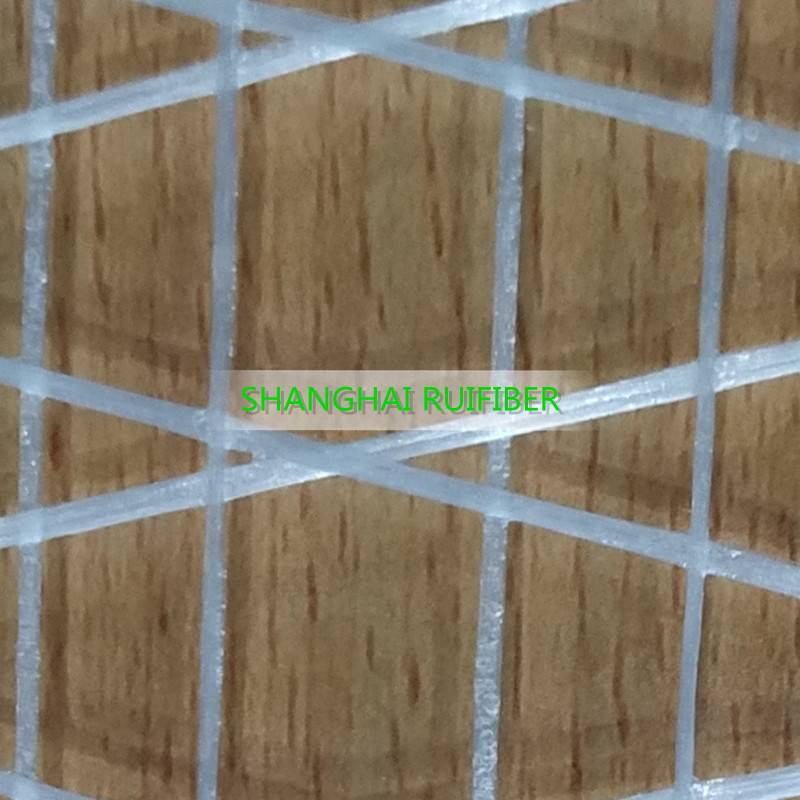
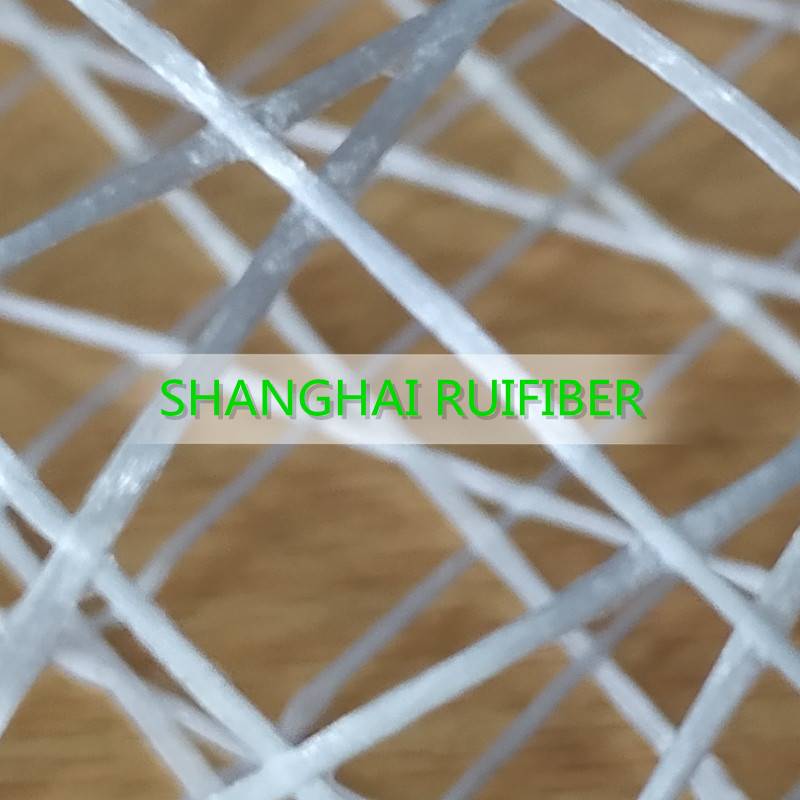
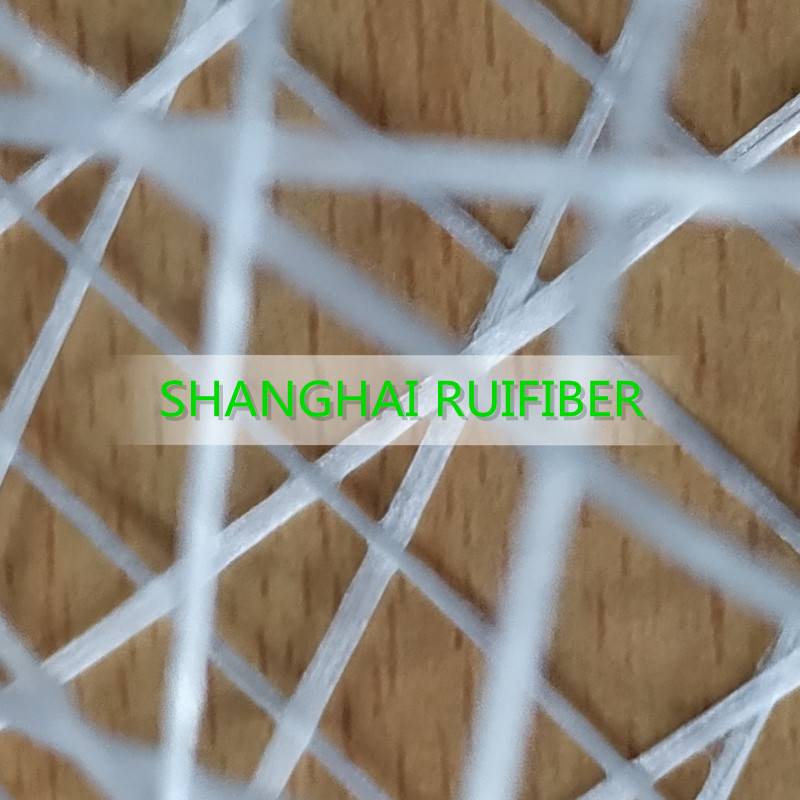
Triaxial net fabric Laid Scrims Introduction
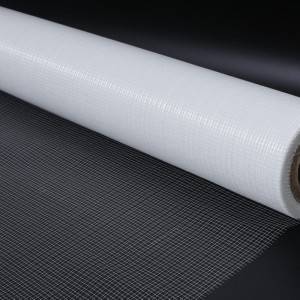
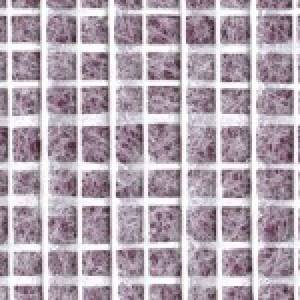
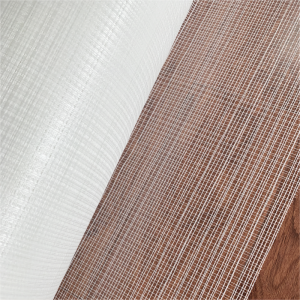
This product is a Triaxial Laid Scrim, a specialized, cost-effective reinforcement fabric engineered specifically for reinforcing the transparent or semi-transparent window areas of paper bags. It is manufactured from continuous filament yarns (such as glass or polyester) arranged in a tri-directional (triaxial) open mesh construction and chemically bonded. Compared with standard biaxial (square) scrims, the triaxial layout adds a third yarn direction, giving the mesh multi-directional tensile and shear resistance — which matters for bag windows that must stay intact through filling, palletizing, drop-test, and retail handling where stress arrives from unpredictable angles. The scrim is laminated between the paper layers or applied as a backing to the window film (PET/PP/PE/PVC) to become a hidden "anti-tear grid" that transforms a fragile window zone into a durable structural detail.
Triaxial net fabric Laid Scrims Characteristics
Triaxial Construction for Multi-Directional Loads: The three-yarn-direction architecture (vs. standard 0°/90° biaxial) distributes tensile and shear forces in more axes, suppressing diagonal tearing and bias distortion when the bag is filled, dropped, or handled — a common failure point at window corners where film alone yields.
Polyester-Version Property Set (when run in PET yarn): When specified in polyester, the scrim adds tensile strength, tear resistance, heat sealability, anti-microbial properties, water resistance, self-adhesive options, eco-friendliness, decomposability, and recyclability — useful when the bag targets food retail or sustainability programs.
Long Rolls for Bag Converting Lines: Roll width 200–2,500 mm; roll length up to 50,000 m (regular supply 10,000 m/roll noted on page). Fewer splices per shift on high-speed window-laminating stations, fewer weak spots in finished bag rolls, and less downtime for reel changeovers.
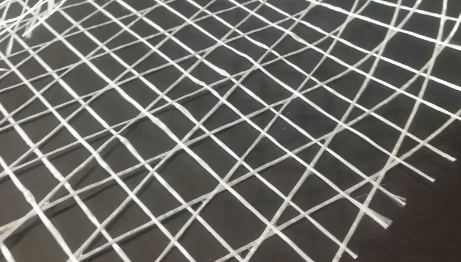
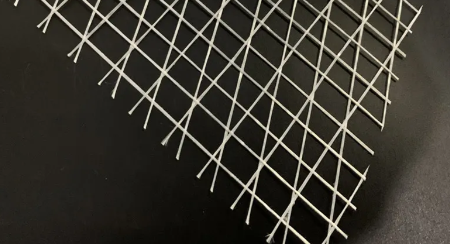
Triaxial net fabric Laid Scrims Data Sheet
|
Item No. |
CF12.5*12.5PH |
CF10*10PH |
CF6.25*6.25PH |
CF5*5PH |
|
Mesh Size |
12.5 x 12.5mm |
10 x 10mm |
6.25 x 6.25mm |
5 x 5mm |
|
Weight (g/m2) |
6.2-6.6g/m2 |
8-9g/m2 |
12-13.2g/m2 |
15.2-15.2g/m2 |
The regular supply of non-woven reinforcement and laminated scrim is 12.5x12.5mm,10x10mm,6.25x6.25mm, 5x5mm,12.5x6.25mm etc. The regular supply grams are 6.5g, 8g, 13g, 15.5g, etc.With high strength and light weight, it can be fully bonded with almost any material and each roll length can be 10,000 meters.
Triaxial net fabric Laid Scrims Application
Primary Use: Reinforcement for Paper Bag Windows
The core and specialized application of this triaxial laid scrim is the reinforcement of transparent or semi-transparent window areas in paper bags (food retail bags, bakery bags, gift bags, agricultural packaging, etc.). It is laminated between the paper layers or applied as a backing to the window film to:
Prevent Tearing & Extend Bag Life
The window area is typically the weakest point of a paper bag. The scrim dramatically increases tear resistance and overall durability, preventing damage during filling, palletizing, transport, retail handling, and checkout.
Maintain Structural Integrity & Shape
The triaxial grid's multi-directional stability helps the window maintain its shape and prevents sagging, stretching, or deforming — especially when the bag contains heavy, bulky, or angular items (e.g., bakery boxes, produce, hardware).
Enable Reliable Product Visibility
By reinforcing the window without compromising clarity (when paired with appropriate PET/PP films), the scrim ensures the product inside remains visible — keeping the packaging functional, premium-looking, and compliant with retail display expectations.
Secondary Applications
Due to its versatile reinforcement properties and open mesh design, this triaxial (and its biaxial sibling) laid scrim is also extensively applied in other industrial sectors listed on the product page:
Aluminum Foil Composite
Used as a reinforcement layer in insulation and building wrap composites; roll lengths up to 10,000 m improve production efficiency and finished product appearance.
PVC Flooring
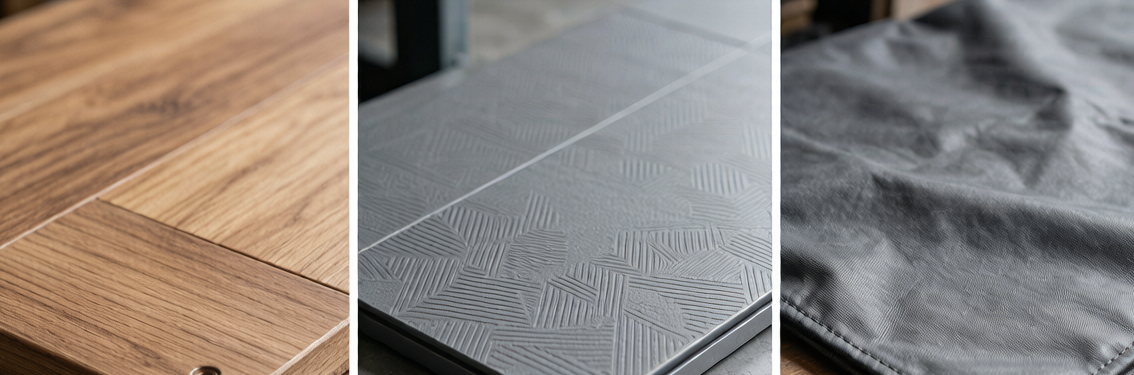
Serves as a stabilizing layer to counteract thermal expansion/contraction of flooring materials, preventing joint separation or bulging between floor pieces.