Fiberglass mesh laid scrims polyester tissue reinforced mat for Middle East Countries

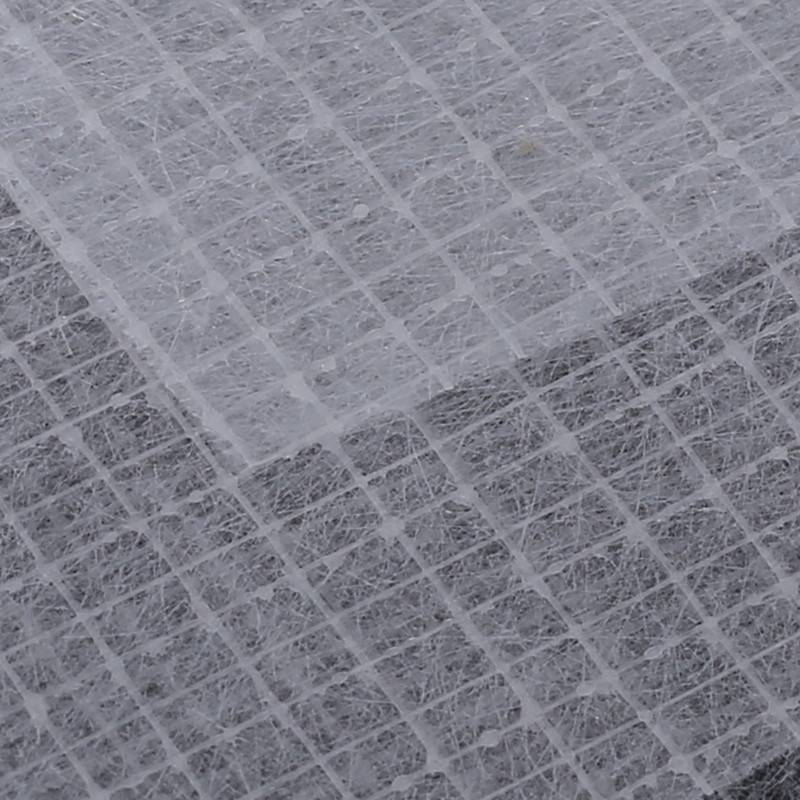
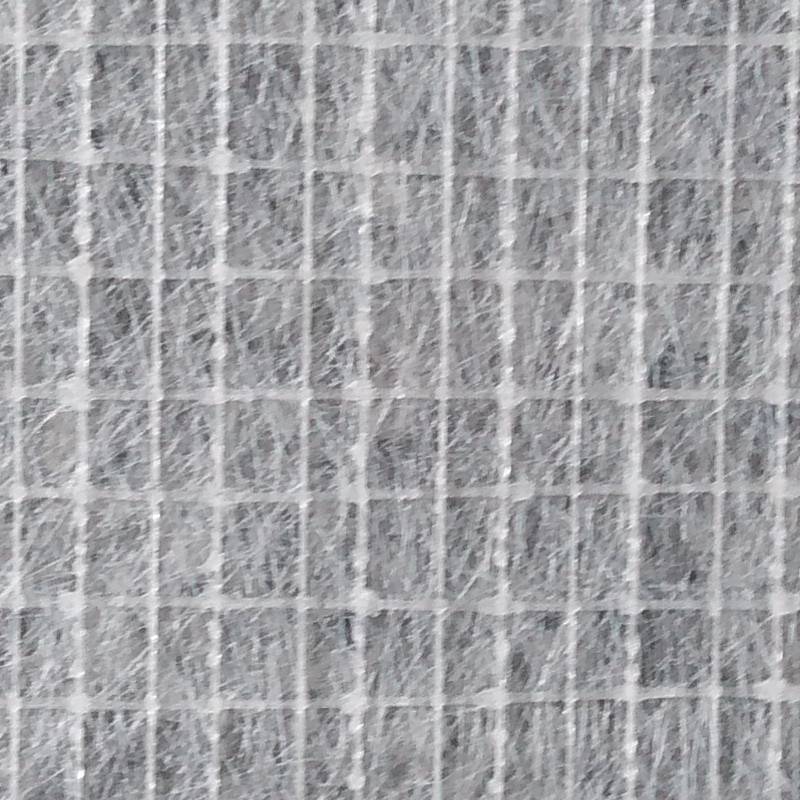
Fiberglass Laid Scrims Brief Introduction
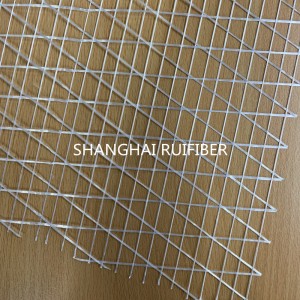
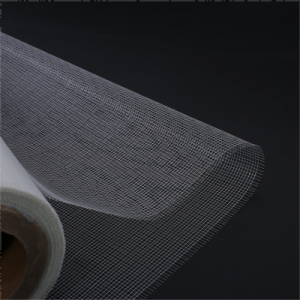
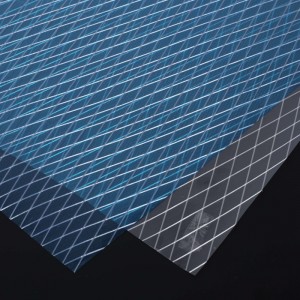
This product is a Fiberglass Laid Scrim + Polyester Tissue Composite (Reinforced Mat), a cost-effective, high-performance reinforcement substrate engineered specifically for Middle East building, waterproofing, and insulation applications where a balance of surface fineness and core tensile is required. It is manufactured by combining a fiberglass laid scrim (continuous E-glass filaments in square or tri-directional open mesh, chemically bonded) with a polyester tissue/mat layer — either as scrim-laminated-to-tissue or as a composite carrier stack. Compared with using scrim or tissue alone, the composite gives surface smoothness (tissue side for coating bite / bitumen impregnation) plus core multidirectional tensile (scrim layer), making it a preferred carrier for modified bitumen membranes, roof underlayment, and pipeline wrapping facing in Gulf-climate projects where heat, UV, and sand-load are severe.
Fiberglass Laid Scrims Characteristics
Composite "Tissue + Scrim" Property Profile: The reinforced mat delivers a purpose-built mix — surface side (polyester tissue): fine, coatable, bitumen-impregnation friendly; core (fiberglass scrim): high tenacity, dimensional stability, low shrinkage, low elongation, alkali resistance, fire resistance, corrosion resistance. The E-glass scrim adds multidirectional tensile and tear-arrest, while the polyester tissue evens out the surface for coating/lamination and improves handling toughness. Together they survive the high-heat, high-UV, sand-abrasion cycles typical of Middle East roofing and pipeline projects.
Long Rolls for Composite Mat / Bitumen Lines: Roll width 200–2,500 mm; roll length up to 10,000 meters (page-stated regular supply for non-woven reinforcement and laminated scrim). Fewer splices per shift on high-speed bitumen calenders or mat laminators, higher yield, fewer weak spots in finished membrane/wrap rolls — directly matching the page note that non-woven laid scrim helps foil/insulation manufacturers improve efficiency and finished appearance, and the same logic carries into mat-converting.
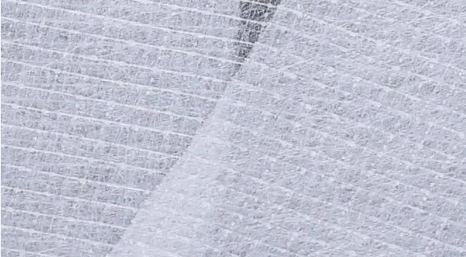
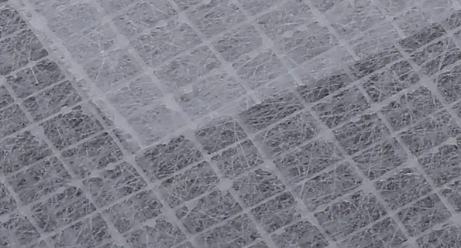
Fiberglass Laid Scrims Data Sheet
|
Item No. |
CF12.5*12.5PH |
CF10*10PH |
CF6.25*6.25PH |
CF5*5PH |
|
Mesh Size |
12.5 x 12.5mm |
10 x 10mm |
6.25 x 6.25mm |
5 x 5mm |
|
Weight (g/m2) |
6.2-6.6g/m2 |
8-9g/m2 |
12-13.2g/m2 |
15.2-15.2g/m2 |
The regular supply of non-woven reinforcement and laminated scrim is 12.5x12.5mm,10x10mm,6.25x6.25mm, 5x5mm,12.5x6.25mm etc. The regular supply grams are 6.5g, 8g, 13g, 15.5g, etc.With high strength and light weight, it can be fully bonded with almost any material and each roll length can be 10,000 meters.
Fiberglass Laid Scrims Application
Primary Use: Reinforced Mat (Scrim + Polyester Tissue) for Waterproofing & Pipeline Wrapping
The core and specialized application of this composite (fiberglass scrim + polyester tissue) is as the carrier / reinforcement substrate in bitumen membranes, roof underlayment, and pipeline wrap facing supplied to Middle East markets (GCC residential/commercial roofing, villa projects, district cooling pits, oil & gas pipeline corridors, etc.). It is delivered as a scrim-laminated tissue or composite mat stack to:
Balance Surface Fineness & Core Tensile for Bitumen Coating
The polyester tissue face takes bitumen or coating evenly, while the fiberglass scrim underneath arrests tear initiation and adds multidirectional tensile — preventing the membrane from splitting during torch application, foot traffic, or substrate movement.
Survive Gulf Climate Cycling (Heat / UV / Sand)
Roofing and exposed wraps in the Middle East see >45 °C daytime, intense UV, and sand-laden wind. The scrim's low elongation and the composite's dimensional stability keep the membrane/wrap from cupping, wrinkling, or pulling fasteners loose as the assembly heats, cools, and seasons — preserving lap-seal integrity.
Enable High-Speed Mat Converting Throughput
Roll length up to 10,000 m feeds high-speed bitumen calenders and mat laminators with fewer splice stops — the page explicitly notes non-woven laid scrim "helps manufacture to develop the production efficiency" on 10,000 m rolls, and this reinforced-mat grade inherits that same advantage for Middle East export converters.
Secondary Applications
Due to its versatile reinforcement properties and the open mesh + tissue composite design, this product (and its scrim-only sibling) is also extensively applied in other industrial sectors per the page:
Aluminum Foil Composite
Non-woven laid scrim is widely applied in the aluminium foil industry; 10,000 m roll length helps manufacturers improve production efficiency and gives finished products better appearance.
PVC Flooring
PVC flooring is mainly made of PVC plus other necessary chemical materials via calendering or extrusion, divided into sheet and roller types. All major domestic and foreign manufacturers now apply laid scrim as the reinforcement layer to avoid joint separation or bulging between floor pieces caused by thermal expansion and contraction.
Non-Woven Category Reinforcement
Non-woven laid scrim is widely used as reinforcement on kinds of non-woven fabric, such as fiberglass tissue, polyester mat, wipes, and top-end items such as medical paper — increases tensile strength with minimal unit weight addition.