Triaxial fiberglass net fabric Laid Scrims for reinforce aluminum foil insulation for Middle East Countries


Triaxial fiberglass net fabric Laid Scrims Introduction
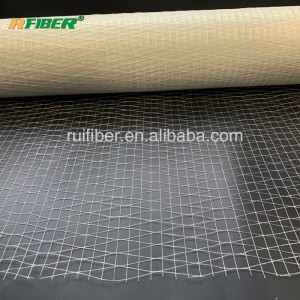
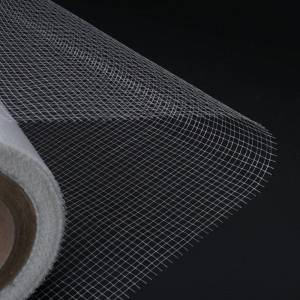
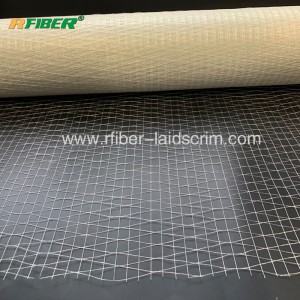
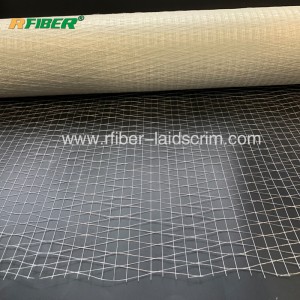
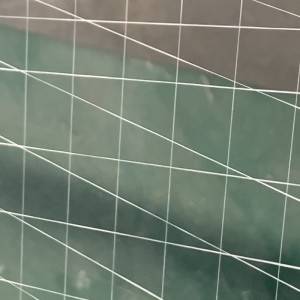
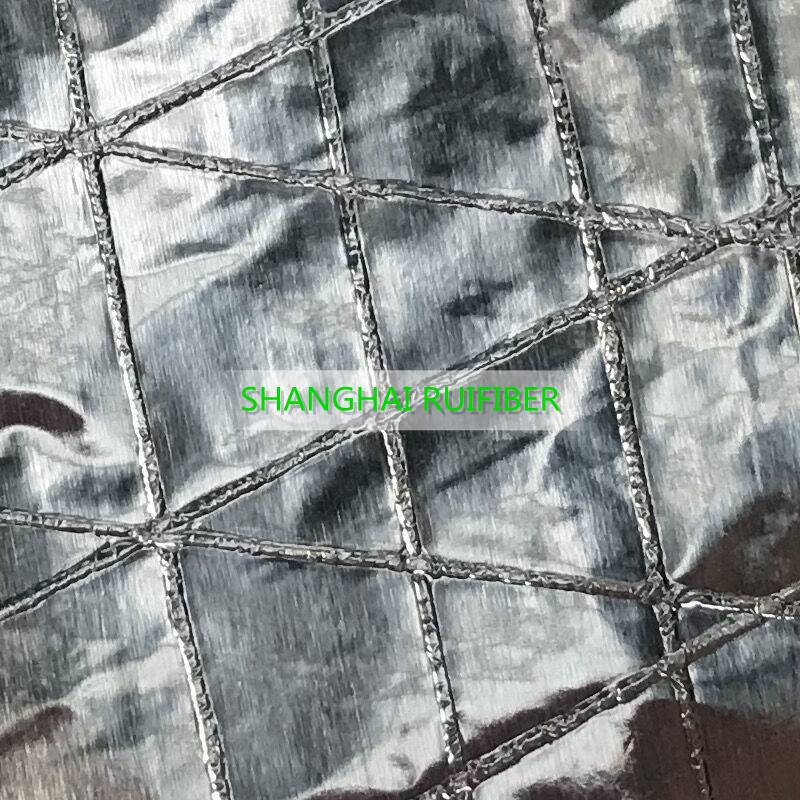
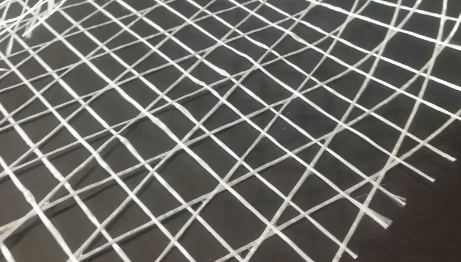
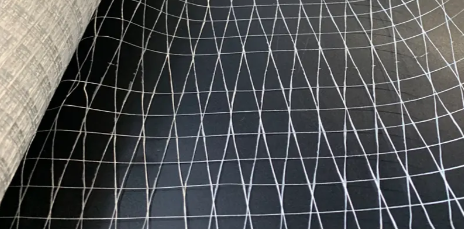
This product is a Triaxial Fiberglass Laid Scrim, a high-performance reinforcement fabric engineered specifically as the load-carrying skeleton for aluminum foil insulation composites supplied to Middle East markets. It is manufactured by arranging continuous E-glass filament yarns in a tri-directional (triaxial) open mesh and chemically bonding them at the nodes (PVOH / PVC / Acrylic or customized). Compared with standard biaxial (square) scrims, the triaxial layout adds a third yarn direction, giving the mesh multi-directional tensile and shear resistance — a decisive advantage when the aluminum foil insulation roll must endure winding/unwinding, on-site cutting, HVAC duct vibration, and temperature swings in Gulf-climate projects. The scrim is laminated between the aluminum foil and the backing (PE film, non-woven, or kraft), turning a fragile foil stack into a tear-resistant, dimensionally stable composite. Gadtex has been producing laid scrim since 2018 and currently supplies around 50 item variants; this triaxial foil-grade builds on the same platform as their biaxial glass scrims but tuned for high-speed foil lamination lines where roll length directly impacts throughput.
Triaxial fiberglass net fabric Laid Scrims Characteristics
Triaxial Construction for Multi-Directional Loads: The three-yarn-direction architecture (vs. standard 0°/90° biaxial) distributes tensile and shear forces in more axes, suppressing diagonal tearing and bias distortion when the foil roll is handled, cut, or wrapped on ducts — a common failure point in aluminum foil insulation.
High Tenacity + Dimensional Stability + Low Elongation: Continuous E-glass filaments deliver high tensile with very low creep; low shrinkage keeps the foil-composite flat after lamination and during temperature cycles common in Middle East roofs and external ducts.
Alkali Resistance, Corrosion Resistance & Fire Resistance: E-glass base tolerates alkaline residues often present on concrete substrates or insulation facings, and the non-combustible skeleton supports the fire strategy of building-wrap and duct-insulation systems.
Long Rolls for Foil Lamination Lines: Roll width 200–2,500 mm; roll length up to 10,000 m regular supply, platform capacity up to 50,000 m.
Triaxial fiberglass net fabric Laid Scrims Data Sheet
|
Item No. |
CF12.5*12.5PH |
CF10*10PH |
CF6.25*6.25PH |
CF5*5PH |
|
Mesh Size |
12.5 x 12.5mm |
10 x 10mm |
6.25 x 6.25mm |
5 x 5mm |
|
Weight (g/m2) |
6.2-6.6g/m2 |
8-9g/m2 |
12-13.2g/m2 |
15.2-15.2g/m2 |
The regular supply of non-woven reinforcement and laminated scrim is 12.5x12.5mm,10x10mm,6.25x6.25mm, 5x5mm,12.5x6.25mm etc. The regular supply grams are 6.5g, 8g, 13g, 15.5g, etc.With high strength and light weight, it can be fully bonded with almost any material and each roll length can be 10,000 meters.
Triaxial fiberglass net fabric Laid Scrims Application
Primary Use: Reinforcement for Aluminum Foil Insulation Composites
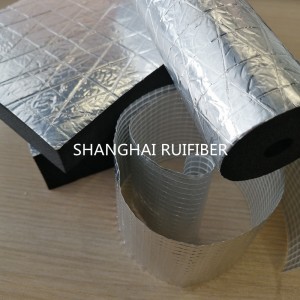
he core and specialized application of this triaxial fiberglass laid scrim is as the hidden reinforcement grid laminated between aluminum foil and its backing (PE film, non-woven, kraft, or foam) for building insulation, HVAC duct wrapping, and pipeline insulation across Middle East markets. It is sandwiched into the foil composite to:
Prevent Tear Initiation During Handling & Installation
Aluminum foil alone tears easily when pulled over rigid ducts or cut on-site. The scrim absorbs handling stress and arrests any tear that does start, keeping the vapor barrier continuous — critical for insulation R-value and condensation control in Gulf HVAC systems.
Improve Lamination-Line Efficiency
Roll lengths up to 10,000 m (platform 50,000 m) mean fewer splice stops on high-speed foil laminators, higher yield per shift, and more consistent batch appearance — a key reason "over 80% of insulation aluminium foil factories in China" already run Gadtex scrim according to the company profile.
Maintain Flatness & Dimensional Stability in Heat
Roof and external-duct installations in the Middle East see intense solar gain. The scrim's low elongation prevents the foil composite from cupping, wrinkling, or pulling fasteners loose as the assembly heats and cools.
Secondary Applications
Due to its versatile reinforcement properties and open mesh design, this fiberglass (and triaxial) laid scrim is also extensively applied in other industrial sectors listed on the product page:
PVC Flooring
Serves as a stabilizing layer to counteract thermal expansion/contraction of flooring materials, preventing joint separation or bulging between floor pieces.
Non-Woven Category Reinforcement
Applied to fiberglass tissue, polyester mat, wipes, and top-end items like medical paper — increases tensile strength with minimal GSM addition.