
Why Laid Scrim Is a Must for Reinforcement Fabrics in 2026
Date
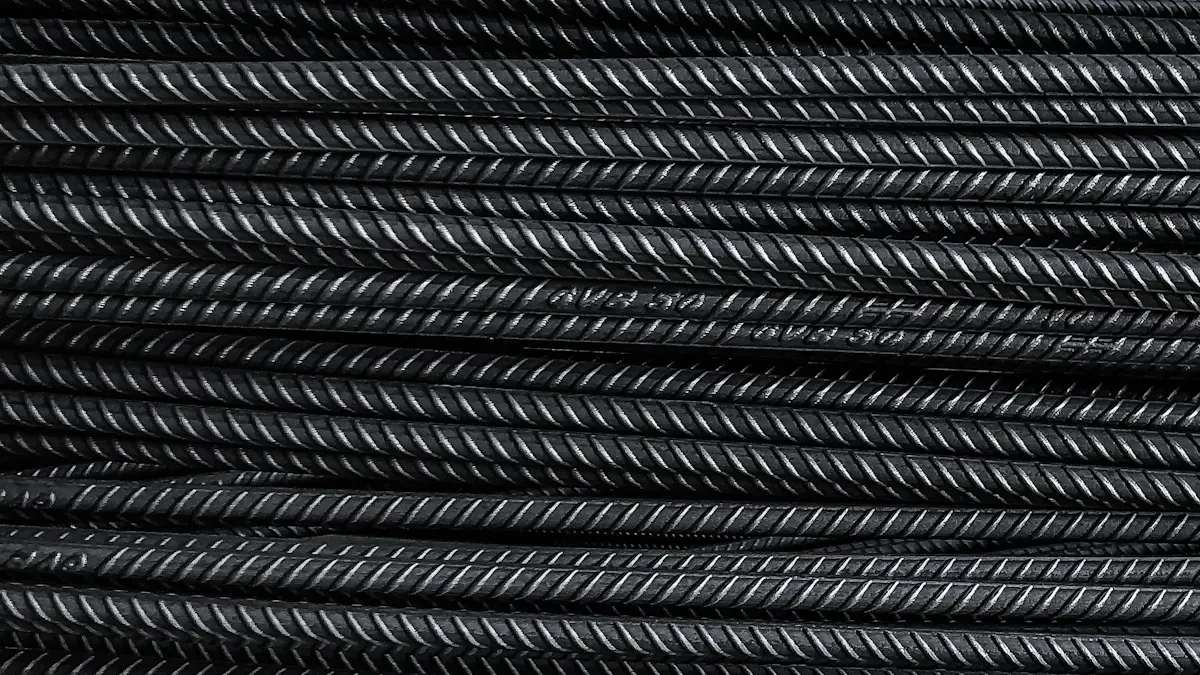
You see rapid growth in demand for reinforcement fabrics using Laid Scrim in 2026. The market shows a 6% CAGR from 2026 to 2033. North America holds 35% market share, Europe 30%, and Asia-Pacific 25%.

Polyester Laid Scrim delivers unmatched stability. Tensile Strength Laid Scrim increases durability and reduces swelling rates compared to traditional methods.
Key Takeaways
- Laid Scrim enhances strength and stability in reinforcement fabrics, making them ideal for construction and automotive applications.
- Using Laid Scrim improves durability, reducing maintenance costs and extending the lifespan of products in harsh environments.
- Laid Scrim maintains dimensional control, preventing warping and shrinking, which ensures consistent performance under stress.
- Lightweight yet robust, Laid Scrim simplifies handling and installation, making it a cost-effective choice for various industries.
- Choosing Laid Scrim supports sustainability efforts, as it can be recycled and helps meet modern environmental standards.
Laid Scrim: Definition and Function in Reinforcement Fabrics
Structure and Composition of Laid Scrim
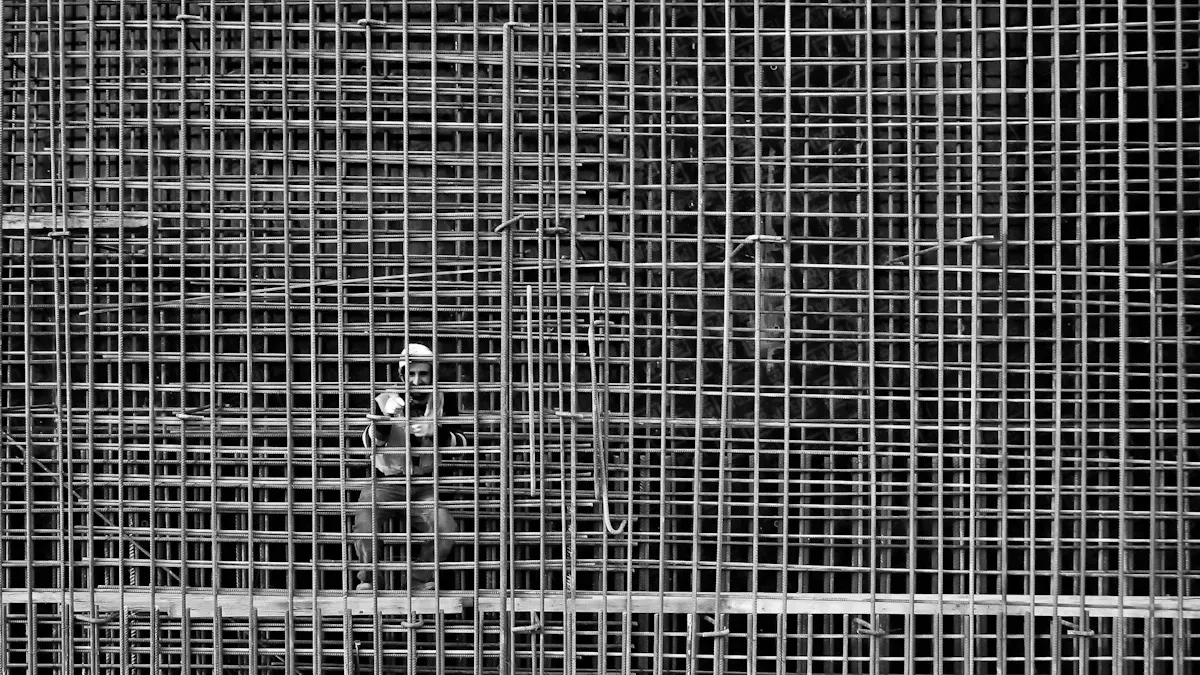
You see Laid Scrim as a network of fibers arranged in a grid pattern. This structure gives the fabric its strength and stability. Manufacturers use different materials to build Laid Scrim. You can find polyester, fiberglass yarn, and binders like PVOH and PVC in the composition. Hot melt adhesive helps bond the layers together. The table below shows common materials and their roles:
| Material | Description |
|---|---|
| Polyether | A lightweight fiber used in scrim fabric. |
| Fiberglass yarn | Provides strength and durability. |
| PVOH | A binder used in the scrim structure. |
| PVC | Another binder contributing to the scrim's integrity. |
| Hot melt adhesive | Used to enhance the bonding of the scrim layers. |
You often see reinforced fiberglass scrim cloth made from fine fiberglass strands. This type is popular in construction, industrial, aerospace, and transportation sectors. The grid structure keeps the fabric stable and prevents stretching.
How Laid Scrim Reinforces Materials
Laid Scrim works by adding strength and stability to other materials. You use it to reinforce plastics, fabrics, and foams. The scrim grid stops materials from warping or shrinking. You get high tenacity, dimensional stability, low elongation, flexibility, and low shrinkage. The table below explains these characteristics:
| Characteristic | Description |
|---|---|
| High tenacity | Enhances tensile strength |
| Dimensional stability | Maintains shape under stress |
| Low elongation | Reduces stretching and deformation |
| Flexibility | Allows for adaptability in applications |
| Low shrinkage | Prevents size changes during use |
You can use Laid Scrim in many ways. Here are the main functions:
- Reinforcement: You increase strength and durability in plastics and fabrics.
- Packaging: You add stability to bags and containers.
- Thermal insulation: You improve insulating properties in foam.
- Sound insulation: You reduce sound transmission in acoustic materials.
- Filtration: You trap particles in air and water filters.
- Printing: You create strong signage and advertising materials.
You benefit from the strength-to-weight ratio and dimensional stability. These features make Laid Scrim ideal for demanding applications. You can trust it to keep materials strong and reliable.
Key Benefits of Laid Scrim for Reinforcement Fabrics
Superior Strength and Stability
You gain superior strength and stability when you use Laid Scrim in reinforcement fabrics. The grid structure spreads force across the material, so you see less stretching and tearing. You can rely on Laid Scrim to keep your fabric strong even when you apply heavy loads. Many industries choose this method because it helps materials stay stable during use. You notice that the fibers work together to resist movement, which keeps the fabric from losing its shape. This strength makes Laid Scrim a smart choice for construction, packaging, and automotive applications.
Enhanced Durability and Longevity
You want reinforcement fabrics to last a long time. Laid Scrim helps you achieve this goal. You see that manufacturers test durability using several important metrics. The table below shows how experts measure the performance of reinforcement fabrics with Laid Scrim:
| Metric | Standard |
|---|---|
| Delamination resistance | ≥15 N/cm per ISO 2411 |
| Puncture strength | ≥50 N per ASTM D4833 |
| Moisture regain rates | <0.5% for waterproofing |
You notice that Laid Scrim meets high standards for delamination resistance and puncture strength. You also see low moisture regain rates, which means the fabric stays dry and strong. These features help you use reinforcement fabrics in harsh environments. You can trust Laid Scrim to protect your materials from damage and extend their lifespan.
Tip: You improve the durability of your products by choosing reinforcement fabrics with Laid Scrim. This choice helps you reduce maintenance costs and avoid early replacements.
Improved Dimensional Control
You need fabrics that keep their shape under stress or environmental changes. Laid Scrim gives you improved dimensional control. You see that special treatments and materials help the fabric resist swelling and shrinking. The following list explains how Laid Scrim maintains stability:
- The high hydrophobicity of cured phenolic resin keeps the fabric stable when exposed to moisture.
- Heat treatment increases water resistance and lowers thickness swelling.
- Higher heat treatment temperatures lead to less swelling, so you see better dimensional stability during stress.
You benefit from these features because your reinforcement fabrics stay consistent in size and shape. You avoid problems like warping or shrinking, which can affect performance. Laid Scrim helps you meet strict requirements for quality and reliability.
Lightweight Yet Robust Performance
You want materials that are easy to handle but still strong. Laid Scrim gives you this advantage. You get a fabric that feels light in your hands, yet it stands up to tough jobs. This balance helps you in many industries, especially when you need both strength and flexibility.
- You notice that lightweight fabrics make installation faster and easier.
- You see that strong scrim grids help prevent tearing and deformation.
- You find that flexible materials can bend and move without breaking.
- You benefit from using less material, which lowers shipping costs and makes storage simpler.
In construction, you often need materials that do not add extra weight to buildings. Laid Scrim helps you meet this need. You can use it in wall coverings, roofing, and insulation. The fabric supports heavy loads but does not weigh down the structure. In the automotive industry, you want cars to be safe and fuel-efficient. Lightweight reinforcement fabrics help you achieve both goals. You get better performance without sacrificing safety.
Note: When you choose lightweight reinforcement, you also help the environment. Lighter materials use less energy during transport and reduce waste.
You see that the right balance of weight and strength is key. Laid Scrim gives you this balance. You can trust it to perform well in demanding applications.
Laid Scrim and Industry Demands in 2026
Meeting Modern Standards and Regulations
You face strict rules when you choose materials for reinforcement fabrics. In 2026, you must follow new standards that focus on safety and the environment. Laid Scrim helps you meet these demands. The table below shows the main regulations you need to know:
| Regulation Type | Description |
|---|---|
| Environmental Regulations | Policies aimed at reducing carbon emissions and promoting sustainable manufacturing practices. |
| Fire Safety Standards | Building codes require materials to meet fire retardancy standards, influencing product design. |
| Recycling and Waste Management | Regulations encourage the development of recyclable materials and sustainable production methods. |
You see that Laid Scrim supports your efforts to follow these rules. It offers fire resistance, supports recycling, and uses processes that lower emissions.
Adapting to Evolving Application Needs
You notice that industries change fast. You need materials that keep up. Laid Scrim adapts to new needs in many fields:
- The construction sector uses it to boost fire safety and durability. This helps you meet tough building codes.
- The medical sector adopts it quickly. You see a 34% yearly growth because it fits infection control and single-use device trends.
- Sustainability drives its use in construction. You get better durability and energy efficiency, which helps you earn green building certifications.
You can trust Laid Scrim to fit your changing needs, whether you work in building, healthcare, or other industries.
Sustainability and Efficiency Advantages
You want materials that last and help the planet. Laid Scrim gives you both. You find it in many forms, such as fiberglass for strength or polyester for flexibility and moisture resistance. Some types use aramid or carbon fiber for special jobs. New coatings add abrasion resistance, UV protection, and antimicrobial features. Smart textiles let you monitor conditions in real time, which helps in construction and healthcare.
- In construction, you reinforce walls and ceilings.
- In medical use, you support dressings and implants.
- In industry, you add strength to composites and packaging.
- In automotive, you make parts lighter and stronger.
Tip: When you choose Laid Scrim, you support sustainability and meet the latest efficiency goals.
Laid Scrim Compared to Other Reinforcement Methods
Laid Scrim vs. Woven and Nonwoven Reinforcements
You see clear differences between laid scrim and other reinforcement methods. Laid scrim uses an open mesh structure with chemically bonded yarns. Woven reinforcements have interlaced yarns, while nonwoven types use layered yarns. You can check the table below to compare these features:
| Feature | Laid Scrim | Woven/Nonwoven Reinforcements |
|---|---|---|
| Structure | Open mesh, chemically bonded yarns | Interlaced (woven) or layered (nonwoven) yarns |
| Flexibility | High flexibility, open mesh | Limited flexibility (woven) |
| Production Speed | Up to 500 ft/min | 25-150 ft/min (nonwoven) |
| Strength | High tensile strength, lightweight | Varies, depends on weave type |
| Applications | Thin prepreg plies, tear resistance | Roofing, filters, general uses |
| Chemical Properties | Customizable with binders | Limited customization |
You notice that laid scrim stands out for its flexibility and fast production speed. You can shape it to fit specific designs. Woven reinforcements often feel stiffer because of their interlaced structure. Nonwoven types offer some versatility, but you see slower production rates.
- Laid scrim increases tear and puncture resistance.
- You improve dimensional stability and make processing easier.
- Woven reinforcements usually have less flexibility.
Laid scrim gives you a cost-effective solution. You get a lighter fabric that still provides high strength. You can use it in laminates and thin plies where durability matters.
Cost, Performance, and Application Differences
You want to know how laid scrim compares in cost and performance. Laid scrim offers lower material costs because it uses less fiber. You save money on production since the process runs faster. You also benefit from easier handling and installation.
- You spend less on shipping because laid scrim is lightweight.
- You reduce waste during manufacturing.
- You see fewer defects in finished products.
Performance matters in demanding applications. Laid scrim delivers high tensile strength and tear resistance. You use it in construction, automotive, and packaging. Woven and nonwoven reinforcements work well for roofing and filtration, but you may not get the same flexibility or speed.
Tip: Choose laid scrim when you need a strong, lightweight, and adaptable reinforcement. You get better value and performance for modern projects.
Laid Scrim in Real-World Applications

Success Stories in Construction, Automotive, and More
You see laid scrim making a difference in many industries. Its unique structure helps you solve tough problems in construction, automotive, marine, and more. Here are some ways you benefit from laid scrim:
- You use polyester laid scrim mesh and fiberglass laid scrims in construction, composites, flooring, and transportation.
- In construction, you reinforce insulation systems with polyester scrim. This gives you better dimensional stability and moisture resistance.
- In automotive work, you add laid scrim to composite materials. This step increases mechanical strength and impact resistance in body panels and other parts.
- Marine builders use laid scrim for hulls and decks. You get improved durability and longer-lasting materials.
- You rely on laid scrim in flooring and composite manufacturing. It helps you create strong, stable products for industrial use.
You notice that laid scrim stands out because it works in so many different settings. Its open mesh design and strong fibers give you reliable performance every time.
Case Studies Highlighting Laid Scrim Advantages
You want to know how laid scrim improves your projects. Many companies report better results after switching to laid scrim. The table below shows some key improvements you can expect:
| Application Area | Improvement with Laid Scrim |
|---|---|
| Commercial Roofing | Unmatched durability and longer lifespan |
| Packaging | High strength-to-weight ratio |
| Automotive Panels | Enhanced impact resistance |
| Flooring | Better dimensional stability |
You see that the no-weave crimp construction of laid scrim makes it reliable and cost-effective. You use less material but still get strong results. This means you save money and reduce waste. You also find that laid scrim helps you meet strict industry standards for strength and safety.
Tip: When you choose laid scrim, you make your products stronger, lighter, and more dependable. This choice helps you stay ahead in your industry.
You want the best results for your projects. Laid Scrim gives you unmatched strength, durability, and adaptability. You see its value in many industries. You make a smart choice when you select this material for reinforcement fabrics. For future-ready solutions, you can trust it to deliver long-term value.
Tip: Choose materials that help you meet new standards and keep your products strong.
FAQ
What is laid scrim used for?
You use laid scrim to reinforce fabrics, plastics, and foams. It helps you add strength and stability. You see it in construction, automotive, packaging, and medical products.
How does laid scrim improve durability?
You get better durability because laid scrim resists tearing and stretching. The grid structure keeps materials strong. You notice longer-lasting products and fewer repairs.
Is laid scrim lightweight?
You find laid scrim very lightweight. It feels easy to handle and install. You benefit from lower shipping costs and faster setup.
Can you recycle laid scrim materials?
You can recycle many types of laid scrim. Polyester and fiberglass scrims support recycling programs. You help reduce waste and support sustainability.
What industries use laid scrim most?
You see laid scrim in construction, automotive, medical, and packaging industries. It helps you meet strict standards and improve product performance.
See Also
Best Precoating Options for Filtration Systems in 2025
Benefits and Cost Evaluation of Plate Packs in 2025
Professional Tips for Welding Partition Plates in 2025
Assessing Molybdenum Plugs in Seamless Steel Pipe Manufacturing 2025
Steel Processing for Heat Exchange Applications Consistently Yields Success
Address
info@ruifiber.com
ruifibersales2@ruifiber.com
Phone
Sales: 0086-159-6804-7621
Support: 0086-186-2191-5640
Hours
Monday-Friday: 9am to 6pm
Saturday, Sunday: Closed
WANT TO WORK WITH US?
Post time: Mar-17-2026