
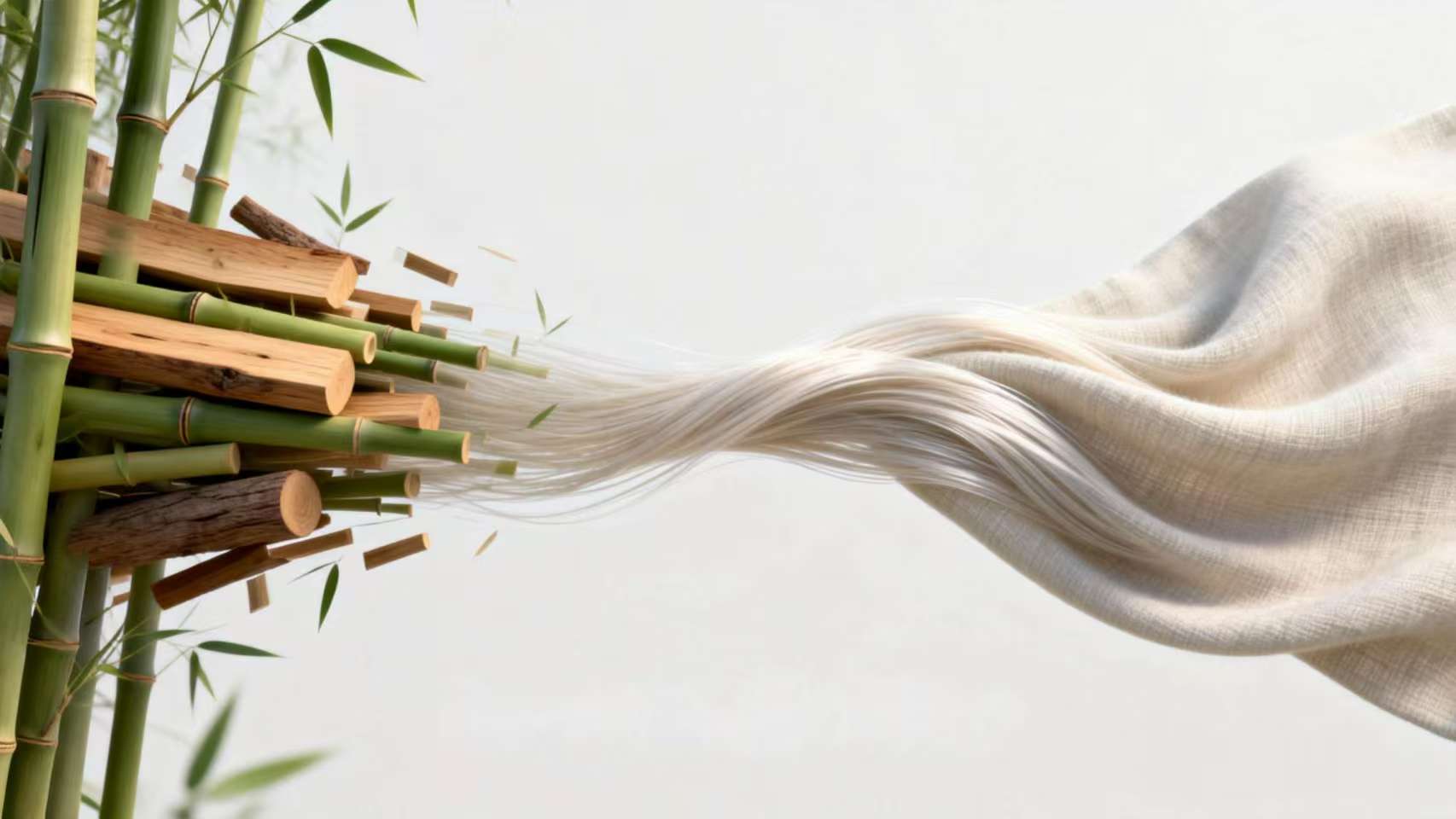
Rayon, often referred to as “artificial silk,” is a versatile fiber derived from natural plant-based sources like wood pulp, bamboo, and cotton linters. With its soft, silky texture and ability to mimic the properties of silk, rayon has become one of the most widely used fabrics in the textile industry. This fabric, produced through a complex chemical process, serves as an eco-friendly alternative to synthetic fibers, and its applications span a wide range of sectors, from fashion to home décor.
The growing demand for sustainable and eco-conscious materials in the textile industry has driven significant interest in rayon. As a regenerated fiber, rayon is biodegradable, making it an attractive option for environmentally aware consumers. Unlike completely synthetic fibers such as polyester, rayon offers an eco-friendly balance between natural raw materials and advanced manufacturing techniques.

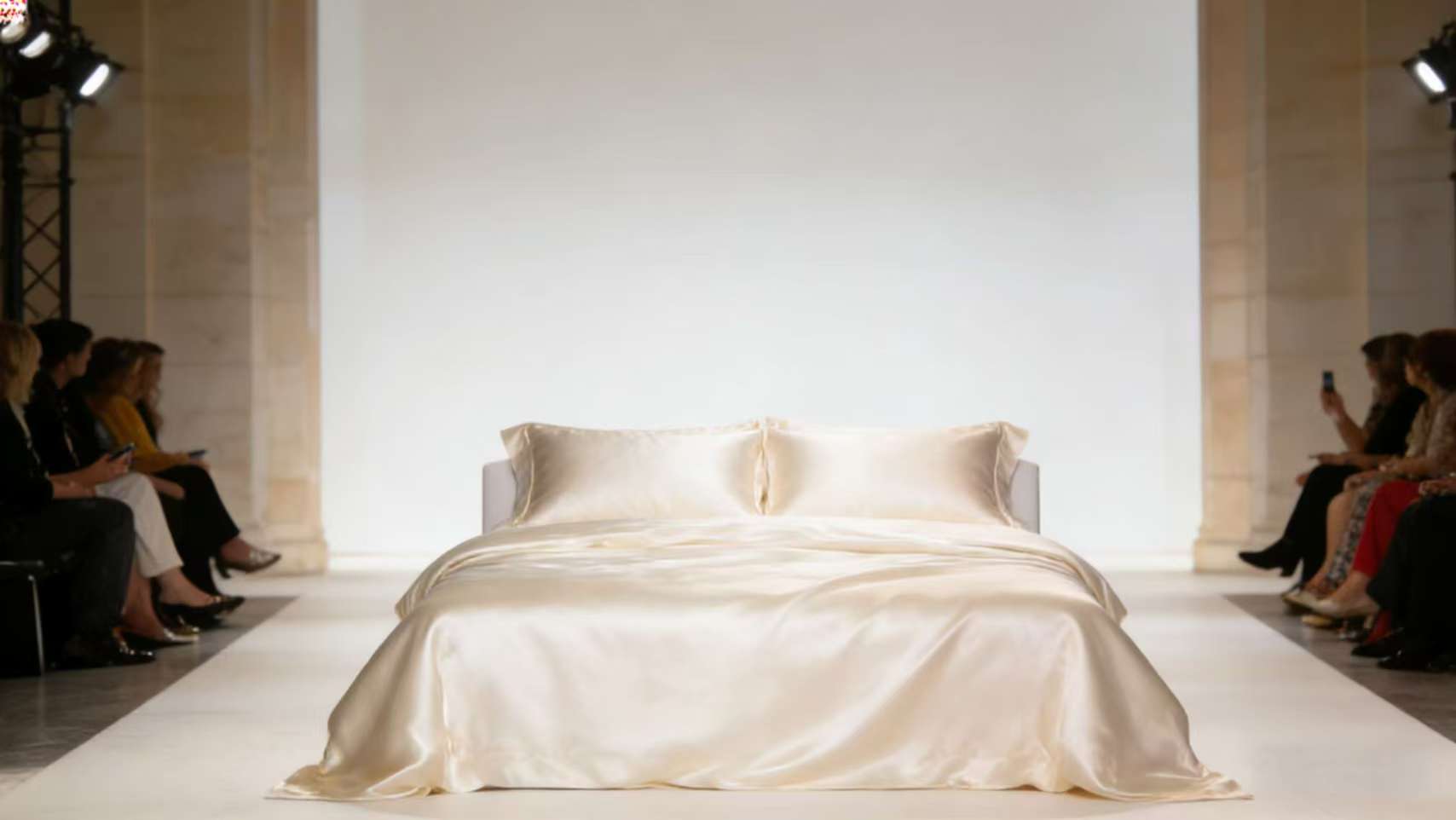
Rayon has long been a favorite in the fashion industry. It is commonly used in clothing such as dresses, blouses, and linings due to its luxurious feel, excellent drape, and versatility. In fact, rayon’s ability to absorb moisture and breathe, unlike synthetic fibers, makes it a popular choice for warm-weather garments. Its vibrant color retention also contributes to its appeal, with designers frequently choosing it for its rich, lasting hues.
In addition to its use in clothing, rayon is also found in a variety of home furnishings. It is often used in bed linens, upholstery, and drapery fabrics, providing a blend of comfort, softness, and durability.
However, despite its many advantages, rayon does face challenges when it comes to durability. Its tendency to wrinkle and lose strength when wet has led to the development of composite materials and reinforcements, enhancing its overall performance. This is where products like Fiberglass Laid Scrim and Polyester Laid Scrim come into play.
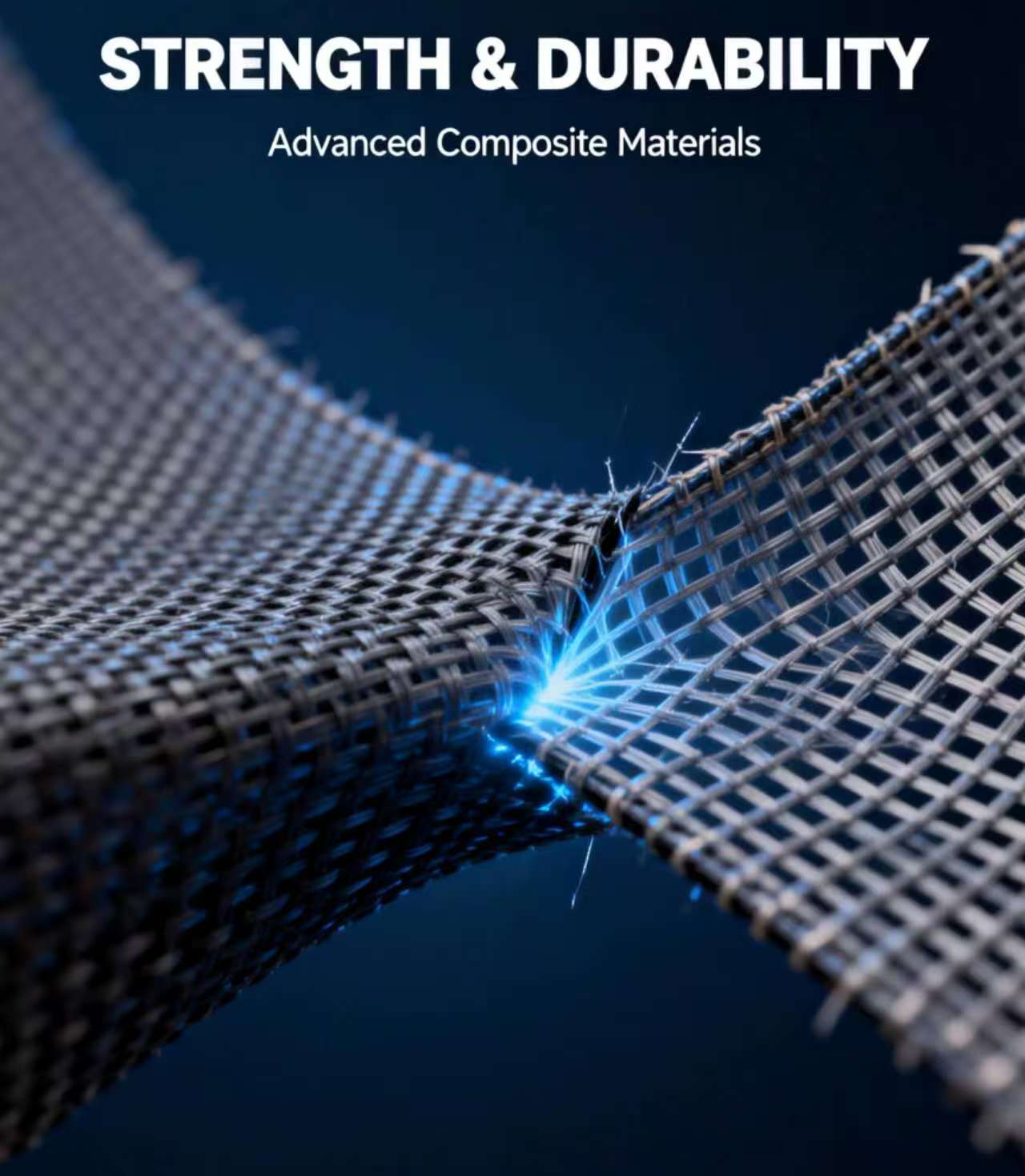
In recent years, the use of reinforcement materials, such as Fiberglass Laid Scrim and Polyester Laid Scrim, has gained momentum in industries looking to improve the strength and durability of rayon-based products. Fiberglass Laid Scrim, known for its exceptional tensile strength, is used to reinforce fabrics, providing added structural integrity and resistance to wear and tear. Similarly, Polyester Laid Scrim, with its lightweight and high-strength properties, is an ideal complement to rayon in applications where durability is key.
These reinforcement products help overcome the inherent weaknesses of rayon, such as its low resistance to tearing and stretching, by incorporating non-woven fabrics that enhance the overall mechanical properties of the material. For example, in the textile and roofing industries, Fiberglass Laid Scrim can be used to enhance rayon’s resistance to external forces, while Polyester Laid Scrim adds flexibility and stability to rayon-based composite materials.
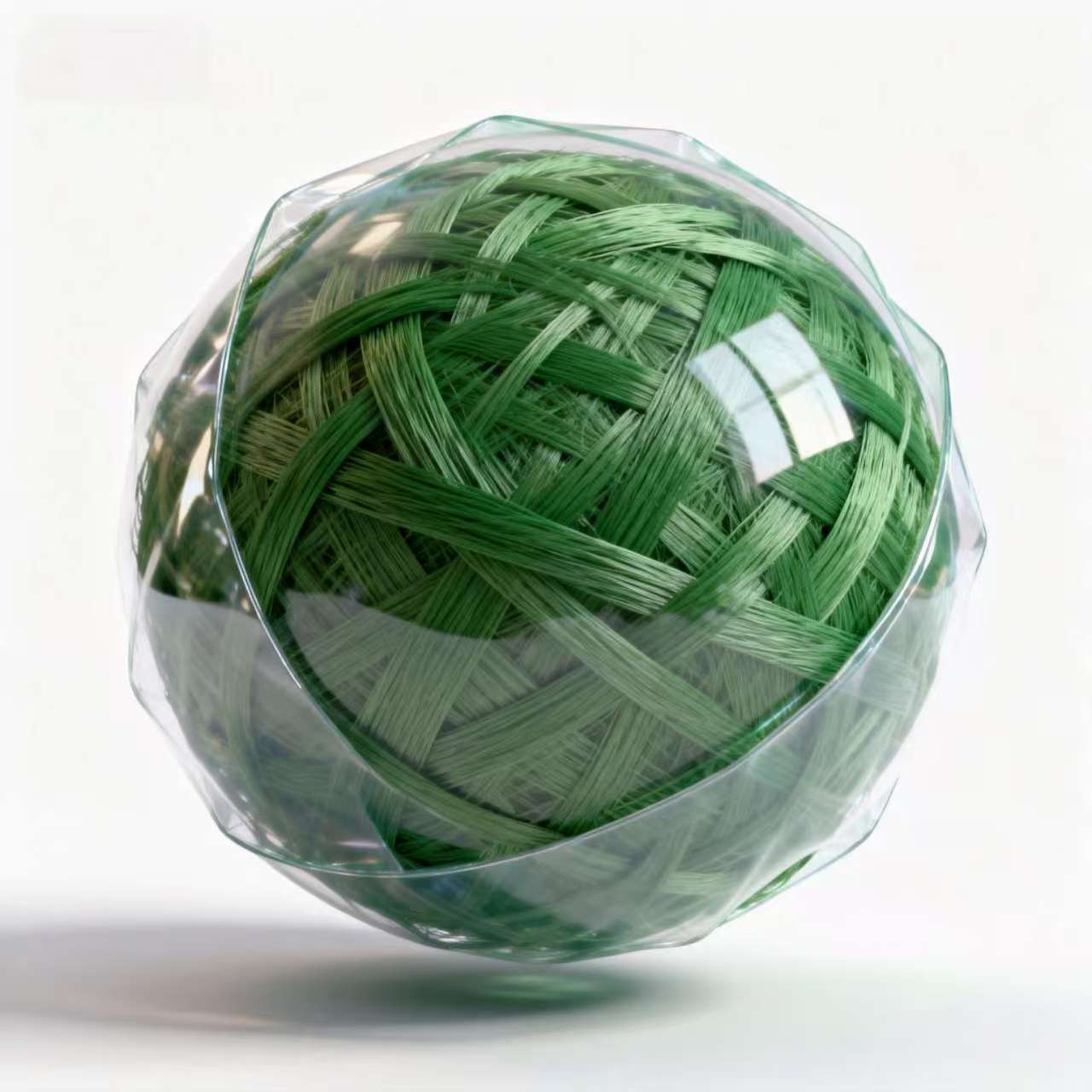
As sustainability becomes an increasingly important focus, rayon’s potential as a greener alternative to synthetic fibers continues to expand. By combining rayon with advanced reinforcement materials like Fiberglass Laid Scrim and Polyester Laid Scrim, manufacturers can create more durable, eco-friendly products that meet the growing demand for sustainability in industries ranging from fashion to construction.
Rayon’s versatility, combined with innovative reinforcing technologies, positions it as a strong contender in the future of textile manufacturing. With ongoing advancements in both material science and sustainable production methods, rayon is poised to maintain its prominent role in the industry, providing consumers with luxurious, eco-friendly options for years to come.
CONTACT US^^
Post time: Jan-16-2026